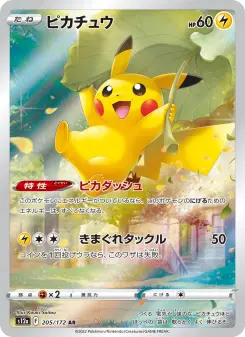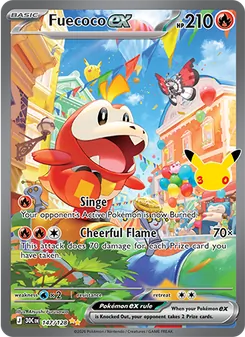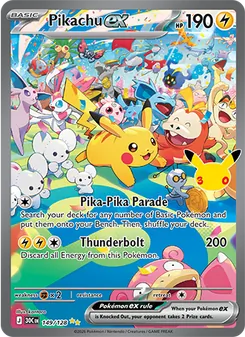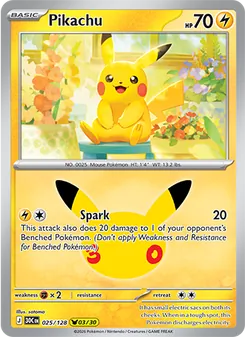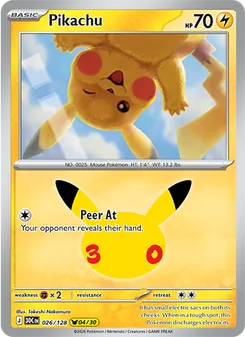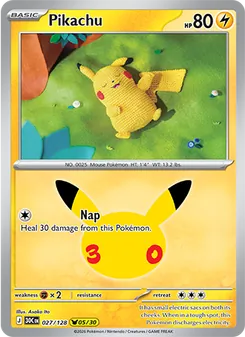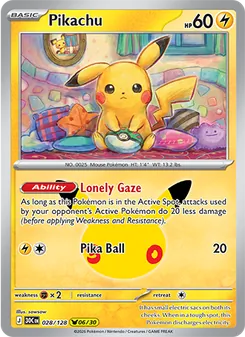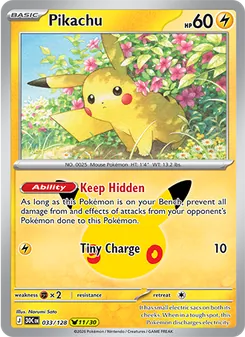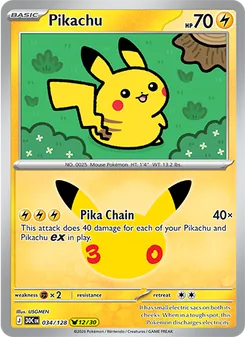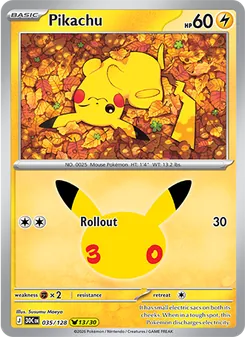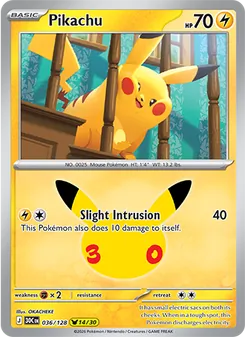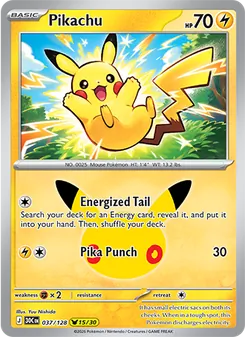
Build a Pikachu binder without collecting every card
Pokémon spotlightJuly 29, 2026

What belongs in a Pikachu binder?
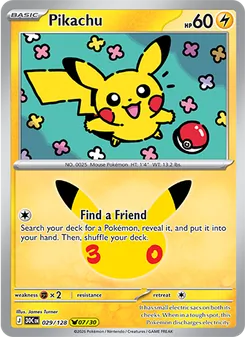
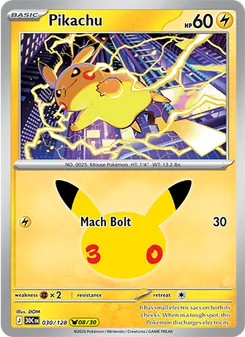
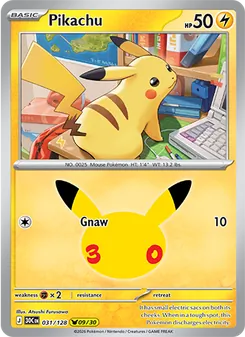
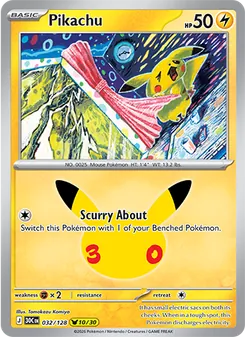
For the anniversary set, use the 30th Celebration Pikachu card list and binder layouts. It covers the complete 30-illustration run. This guide is for collecting across sets.
Pikachu has enough cards that “all of them” is a much bigger project than it first sounds. Pick one rule:
- Pikachu only: one copy of each named Pikachu card you like
- One per artwork: skip extra holo, stamped, or language printings
- Evolution family: add Pichu and Raichu
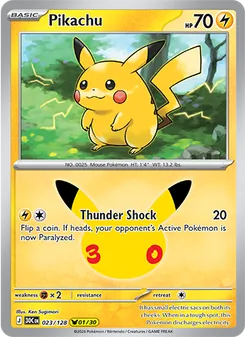
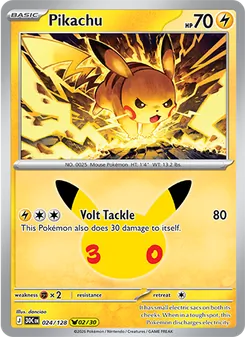
- Promos and cameos: include special releases or cards where Pikachu appears in the art
A favorites binder still counts as a Pikachu collection. It just has a finish line you chose yourself.
How many pages should you start with?
The nine-page starter holds 81 cards, a useful size for a broad favorites collection with older cards, modern artwork, and promos.
For one polished page, start with nine cards. For a tighter favorites binder, two to four pages is enough. A collection covering every printing needs far more room, so set that scope before buying a physical binder.
Which order works best?
Release order is the easiest to maintain. Start with vintage cards, move through each TCG era, and keep promos at the end of the era where they were released.
If you care more about the page than the checklist, group cards by idea:
- classic yellow-border artwork
- Pikachu with trainers
- Surfing and Flying Pikachu
- full art and illustration cards
Put a favorite card in the center pocket, then use the other eight to finish the page.
Leave room for promos and new cards
Reserve the last page of each section instead of leaving gaps at random. New Pikachu cards can then join the right era without shifting the whole binder.
Save a missing card when you know its pocket. The plan stays visible even if the physical card takes a while to find.
Build it in Card Binder Ideas
Open the nine-page binder above, then place the cards you already own. For a one-page display or a larger printing-by-printing collection, use Adjust setup.
You can also remix an example below and keep its page structure.