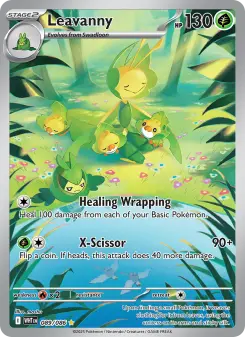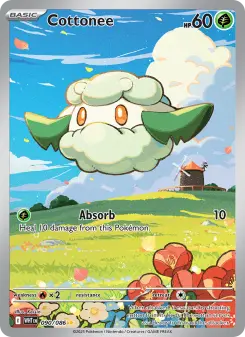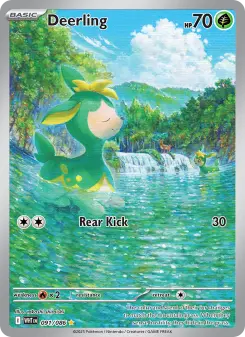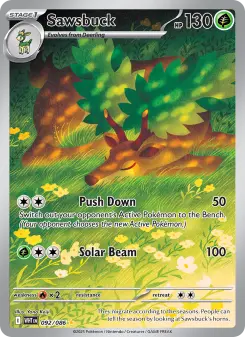
How to build a Pokédex binder
Pokédex collectingOctober 13, 2026

One card per Pokémon, in Pokédex order
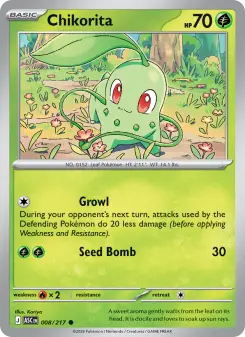
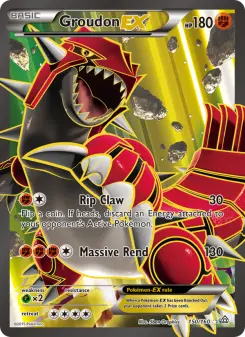
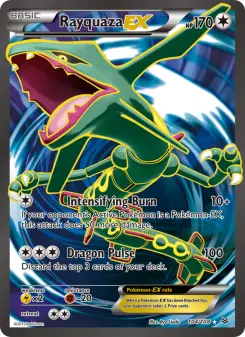
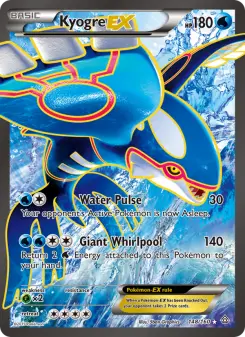
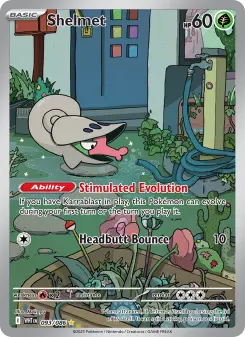
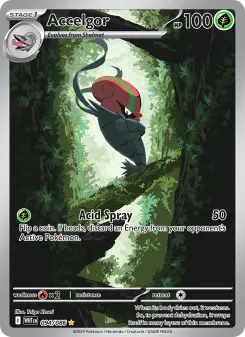
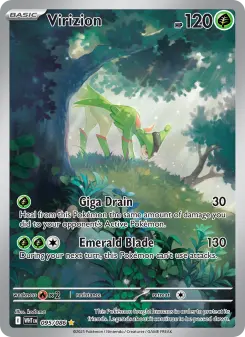
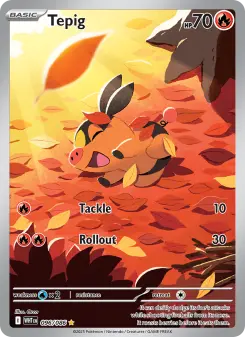
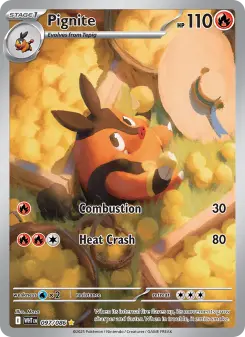
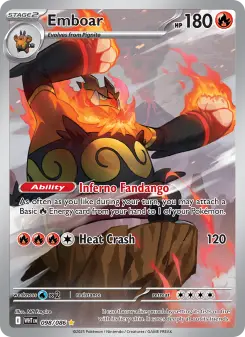
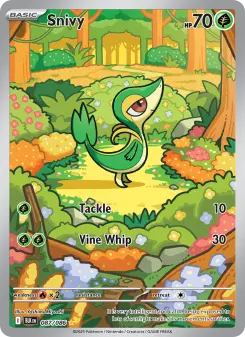
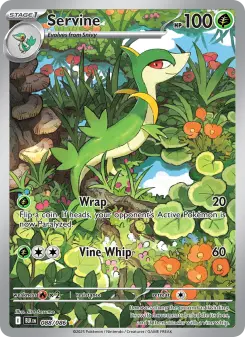
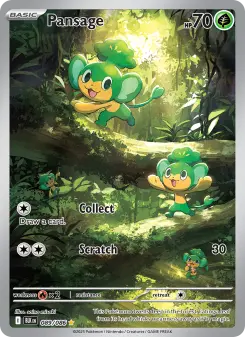
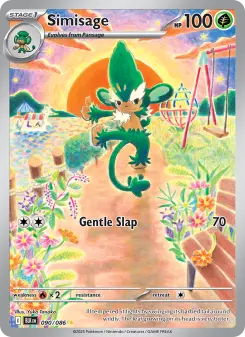
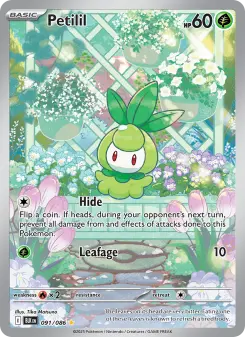
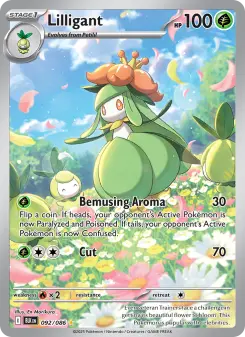
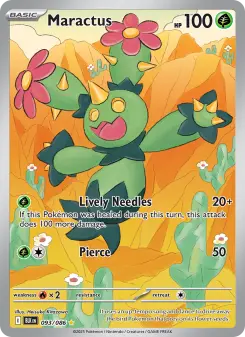
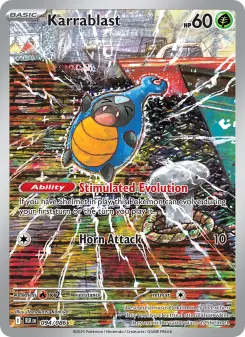
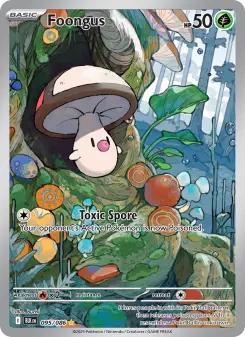
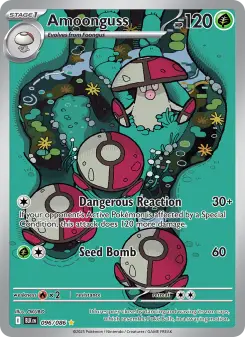
A Pokédex binder collects species, not every card in a set. Choose one card for each Pokémon and arrange them by Pokédex number. The number printed at the bottom of a card is its set number, which is usually different.
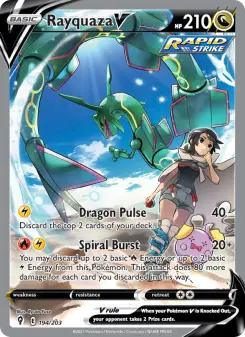
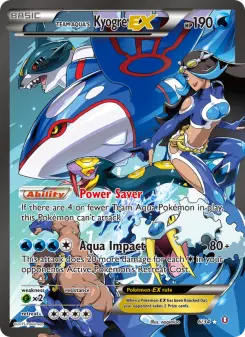
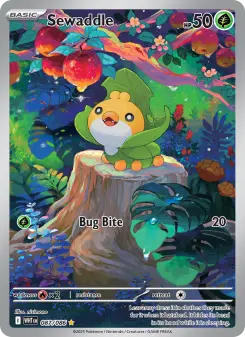
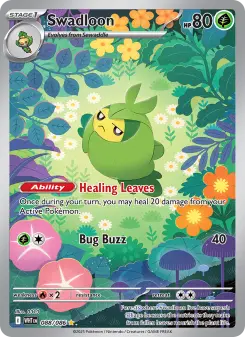
These happen to come from 151, where the opening set numbers follow Kanto order. Your binder can mix sets, artists, languages, and eras if that is the collection you want.
How many pages for the original 151?
| Layout | Pages | Pockets | Spare pockets |
|---|---|---|---|
| 9 pockets | 17 | 153 | 2 |
| 12 pockets | 13 | 156 | 5 |
| 16 pockets | 10 | 160 | 9 |
The starter uses 18 nine-pocket pages: seventeen for Kanto and one spare page. That is 162 pockets, not a promise that the binder is already filled.
What about forms and later evolutions?
Decide before filling the pages:
- One per species: Alolan or Galarian forms can stand in for that species, but do not get extra slots.
- Separate forms: add an appendix after the species run so each new form does not shift every later pocket.
- Evolution families: place related species together, even across regions. This is family order rather than strict Pokédex order.
For another region, use its own checklist and round the count up to complete pages. For a National Pokédex, separate regions or volumes. App binders have a 100-page limit; check the capacity before starting one huge file.
Plan the gaps, then collect
Open the starter, choose your preferred artwork in Cards, and save the cards you still need. New artwork for an existing species can replace its card without adding a slot.
Browse regional binders. For every printing of one Pokémon, use the species master-set guide instead. For every card in the 151 expansion, use the 151 set guide.